Afika: A Strategic Tool for Creative Expression and Brand Impact
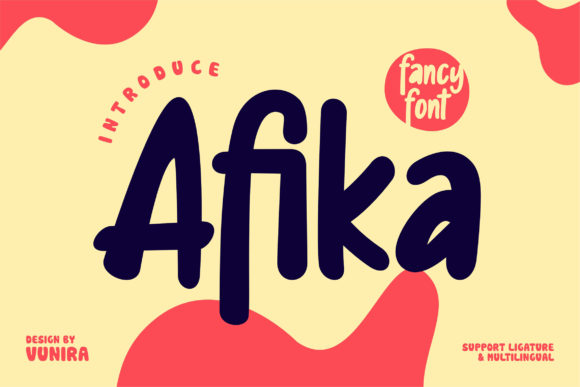
When it comes to design, typography plays a crucial role in shaping the visual identity of a brand or project. Among the many fonts available, Afika stands out as a unique and versatile display font that brings both charm and functionality to creative work. Designed with a playful yet refined aesthetic, Afika is more than just a decorative choice—it’s a strategic asset that can elevate communication, enhance branding, and improve user engagement.
The Strategic Value of Afika
Afika is not merely a font; it's a tool that can be leveraged to align with specific goals and outcomes. Its quirky and joyful character makes it ideal for projects that require attention-grabbing visuals without sacrificing readability. Whether you're designing a logo, crafting a marketing campaign, or developing a digital product, the right font can make all the difference in how your message is received.
Strategically, Afika offers several advantages. First, its distinct style helps differentiate your brand from competitors. In a market saturated with similar designs, using a unique font like Afika can create a memorable impression. Second, it supports emotional engagement. The whimsical nature of the font can evoke feelings of joy, creativity, and approachability, which are particularly valuable in industries such as education, entertainment, and lifestyle.
Moreover, Afika is highly adaptable. It works well across various mediums, including print, web, and mobile interfaces. This versatility ensures that your message remains consistent and impactful, regardless of where it appears. By choosing a font that aligns with your brand’s voice and values, you’re making a deliberate choice that supports long-term brand positioning.
When to Use Afika Effectively
Before integrating Afika into your design workflow, it’s important to consider the context and purpose of your project. Here are some scenarios where Afika shines:
- Branding Projects: For logos, taglines, and brand assets, Afika can help establish a distinctive and memorable identity.
- Marketing Campaigns: Its eye-catching appearance makes it perfect for headlines, social media posts, and promotional materials.
- Website Design: When used sparingly on key elements like headers or call-to-action buttons, Afika can guide user attention and improve usability.
- Print Materials: From invitations to brochures, Afika adds a touch of personality that resonates with audiences.
- Learning and Education: In educational content, Afika can make learning materials more engaging and visually stimulating.
By matching the font to the audience and purpose, you ensure that your message is both seen and felt. Afika is not a one-size-fits-all solution, but when used thoughtfully, it becomes a powerful ally in achieving your creative and business objectives.
How to Approach Afika Strategically
Integrating Afika into your design process requires intentionality. Start by defining clear goals for your project. Are you aiming to build brand recognition? Improve user experience? Or increase engagement? Once you have a clear direction, assess whether Afika aligns with those goals.
Next, consider the broader context of your design. How does Afika fit within your overall visual hierarchy? Does it complement other elements, or does it risk overshadowing them? Thoughtful pairing with complementary fonts can help maintain balance and clarity.
Additionally, think about the target audience. Will they respond positively to the playful nature of Afika? Are they likely to perceive it as professional, fun, or perhaps even untrustworthy? Understanding your audience’s preferences and expectations will help you make informed decisions about font usage.
Finally, always test your designs in real-world environments. How does Afika perform on different devices and screen sizes? Is it readable at smaller sizes? These practical considerations ensure that your use of the font is both effective and accessible.
Possible Risks of Misusing Afika
While Afika offers many benefits, there are potential risks associated with its misuse. One common mistake is applying it too broadly or without consideration for the overall design. Overuse can lead to visual clutter and reduce the impact of your message.
Another risk is using Afika in contexts where it may not be appropriate. For example, in formal or professional settings, a more traditional font might be better suited to convey authority and reliability. Using Afika in such contexts could inadvertently undermine the seriousness of your message.
Additionally, relying on Afika without a clear strategy can result in inconsistent branding. If the font is used haphazardly across different platforms, it may confuse your audience and weaken your brand identity. To avoid this, develop a consistent typographic system that guides the use of Afika and other fonts in alignment with your brand guidelines.
Practical Tips for Using Afika Intentionally
To maximize the value of Afika, follow these practical tips:
- Use it selectively: Apply Afika only to key elements such as headings, titles, or call-to-action buttons. Avoid using it for large blocks of text.
- Pair it wisely: Combine Afika with a more neutral body font to maintain readability and visual harmony.
- Test across platforms: Ensure that Afika looks good on both digital and print media, and adjust as needed for different formats.
- Consider accessibility: Check that Afika is legible at small sizes and on various backgrounds to ensure inclusivity.
- Align with brand voice: Choose Afika only when it reflects the tone and values of your brand.
By following these guidelines, you can ensure that Afika enhances your designs without compromising clarity or professionalism.
Long-Term Value of Afika in Strategic Planning
The true power of Afika lies in its ability to support long-term strategic goals. When integrated into your design and communication strategies, it can contribute to consistent branding, improved user experience, and stronger audience engagement.
For entrepreneurs and small business owners, Afika can help build a cohesive brand identity that resonates with your target market. For educators and creators, it can make learning materials and content more engaging and visually appealing. For professionals and marketers, it can enhance the effectiveness of campaigns and messaging.
Ultimately, Afika is not just a font—it’s a strategic tool that, when used intentionally, can drive better results and support your long-term vision.