Former Broston: A Bold Display Font That Transforms Creative Workflows
In the ever-evolving world of design and digital communication, typography plays a crucial role in shaping how messages are perceived. Among the many fonts available, Former Broston stands out as a bold and unique display font that has captured the attention of professionals, creators, and marketers alike. Its distinctive style not only enhances visual appeal but also aligns with modern trends in branding, user experience, and digital storytelling.
What Is Former Broston?
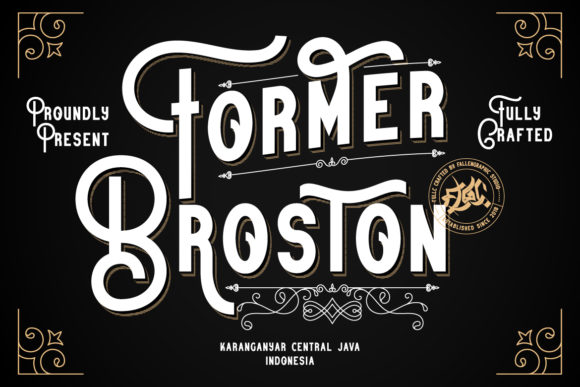
Former Broston is a contemporary display font designed to make a strong visual impact. It features sharp angles, geometric precision, and a modern aesthetic that sets it apart from traditional serif and sans-serif fonts. The font's structure is both clean and dynamic, making it ideal for headlines, logos, and other prominent text elements.
Unlike conventional fonts that prioritize readability at the expense of personality, Former Broston balances legibility with character. This makes it particularly appealing for creative projects where visual identity is key. Whether used in print or digital media, the font maintains its integrity across different platforms, ensuring consistent brand representation.
Why Is Former Broston Gaining Attention?
The growing interest in Former Broston can be attributed to several factors. First, there is a rising demand for fonts that reflect individuality and innovation in design. As brands seek to differentiate themselves in crowded markets, typography becomes an essential tool for creating memorable identities.
Second, Former Broston fits seamlessly into current design trends such as minimalism, maximalism, and retro-futurism. These movements emphasize bold statements and visual impact, which align perfectly with the font’s characteristics. Designers and developers are increasingly turning to Former Broston to add a touch of uniqueness without sacrificing functionality.
Additionally, the font’s versatility makes it relevant across multiple industries. From marketing campaigns to web development, Former Broston offers a fresh alternative to standard typefaces. Its adaptability allows it to be used in a wide range of applications, including social media graphics, packaging, and interactive interfaces.
How Does Former Broston Fit Into Modern Trends?
Former Broston is more than just a font—it’s a reflection of broader shifts in how we approach creativity and technology. Let’s explore how it connects with various trends:
1. Brand Identity and Personalization
In today’s competitive market, brands must stand out through unique visual identities. Former Broston provides a powerful means of differentiation. Its distinctive shape and structure allow businesses to create logos, slogans, and promotional materials that resonate with their target audience.
For example, a startup in the tech industry might use Former Broston for its website header to convey innovation and confidence. Similarly, a lifestyle brand could leverage the font’s boldness to communicate strength and authenticity.
2. User Experience (UX) and Web Design
As digital experiences become more immersive, the importance of typography in UX design has grown significantly. Former Broston contributes to this by enhancing readability while maintaining visual interest. Its clean lines and structured layout ensure that text remains easy to read even when used in large formats or on smaller screens.
Designers are also using Former Broston to create visually engaging microsites, landing pages, and interactive content. By integrating the font into these contexts, they can guide users’ attention and improve overall engagement.
3. Digital Storytelling and Content Creation
Content creators, influencers, and marketers are constantly looking for ways to captivate their audiences. Former Broston offers a compelling solution by adding a layer of sophistication and energy to visual content.
Whether it’s a YouTube thumbnail, a social media post, or a video caption, the font’s bold presence helps messages cut through the noise. Its ability to convey emotion and attitude makes it a valuable asset in the world of digital storytelling.
Practical Applications of Former Broston
To understand the real-world impact of Former Broston, let’s look at some practical examples:
- Logos and Branding: Many startups and small businesses are adopting Former Broston for their logos due to its striking appearance and modern feel.
- Social Media Graphics: Influencers and content creators use the font to design eye-catching posts, stories, and reels that stand out in feeds.
- Website Headers: Developers and designers integrate Former Broston into headers and call-to-action buttons to enhance visual hierarchy and user engagement.
- Print Materials: The font is also popular in print media, such as brochures, posters, and magazines, where it adds a sense of professionalism and creativity.
Conclusion: The Future of Typography
Former Broston represents a shift in how we think about typography. It challenges the notion that fonts must be purely functional and instead positions them as tools for expression, identity, and innovation.
As the digital landscape continues to evolve, the need for versatile and expressive typefaces will only grow. Former Broston meets this demand by offering a bold, modern, and adaptable solution. Whether you’re a designer, marketer, or entrepreneur, incorporating Former Broston into your workflow can elevate your creative output and help you connect more effectively with your audience.
By embracing fonts like Former Broston, we not only enhance our visual communication but also contribute to a broader movement toward creativity, personalization, and meaningful design.