Light Paint: A Unique Display Font for Creative Expression
When it comes to typography, the right font can make all the difference. Light Paint is a display font that stands out for its distinctive style and versatility. Designed with creativity in mind, this font offers a fresh approach to visual communication, making it an excellent choice for designers, artists, and content creators looking to elevate their work.
The Essence of Light Paint
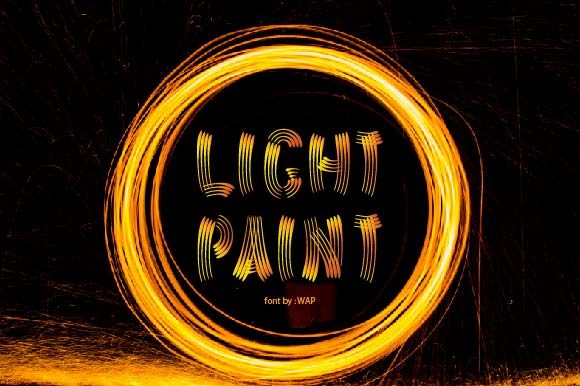
Light Paint is more than just another font—it’s a design language. Its name itself suggests something ethereal, something that captures the glow of light in a way that feels both modern and nostalgic. The font's structure is clean yet expressive, with bold strokes and subtle gradients that give it a dynamic feel. This makes it ideal for use in digital media, print materials, and even physical installations.
One of the most striking features of Light Paint is its ability to convey emotion through form. Whether you're designing a poster, creating a logo, or crafting a website header, this font adds a layer of personality that can’t be replicated by standard typefaces. It's not just about readability—it's about impact.
Why Designers Love Light Paint
Designers often seek fonts that can adapt to different contexts without losing their identity. Light Paint excels in this regard. It works well in both minimalist and vibrant settings, allowing for creative flexibility. For instance, using it in a sleek, modern layout can add a touch of sophistication, while applying it to a more colorful design can create a playful, eye-catching effect.
Another reason Light Paint has gained popularity is its scalability. It maintains clarity and legibility at various sizes, which is crucial when working across multiple platforms—from mobile apps to large billboards. This versatility ensures that your message remains consistent, no matter where it appears.
Additionally, the font's unique aesthetic appeals to a wide range of audiences. It’s particularly favored in the realms of graphic design, branding, and web development. Many professionals have noted that Light Paint can help differentiate a project from the competition, offering a memorable visual identity that stands out in a crowded market.
Practical Applications of Light Paint
Whether you're a beginner or an experienced designer, Light Paint offers a variety of practical applications. Let's explore some real-world scenarios where this font shines:
- Branding: Use Light Paint for logos, taglines, and brand identities to create a visually engaging presence that resonates with your target audience.
- Web Design: Incorporate the font into headers, call-to-action buttons, or promotional banners to draw attention and enhance user engagement.
- Print Media: From flyers to magazine covers, Light Paint adds a modern flair that complements both editorial and commercial content.
- Art Installations: The font's visual appeal makes it a great fit for interactive displays, digital art pieces, and immersive experiences.
- Social Media: Use it for social media posts, stories, and profiles to stand out in a sea of similar content.
Each of these applications highlights how Light Paint can be tailored to suit different needs while maintaining its signature style. It’s not just about aesthetics—it’s about functionality and effectiveness.
Considerations Before Using Light Paint
While Light Paint is a powerful tool, it's important to consider a few factors before incorporating it into your projects:
First, ensure that the font is compatible with your design software and platforms. Some tools may require specific file formats or licensing agreements. Always check the terms of use to avoid any legal issues.
Second, think about the context in which you'll be using the font. While it’s versatile, it may not always be the best choice for long-form text or body copy. Save Light Paint for headlines, titles, and other short, impactful elements.
Lastly, don't forget about accessibility. Although the font is visually appealing, it should still be readable for all users. Test it on different devices and screen sizes to ensure optimal visibility.
Light Paint in the Modern Design Landscape
In today's fast-paced digital world, standing out is essential. Light Paint helps designers do just that by offering a fresh, contemporary look that aligns with current trends. Its blend of simplicity and complexity makes it a favorite among creatives who want to push boundaries without sacrificing clarity.
Moreover, the font's adaptability means it can be integrated into various workflows and industries. From marketing campaigns to educational materials, Light Paint brings a sense of innovation and professionalism that can elevate any project.
As technology continues to evolve, so too does the role of typography. Light Paint represents a step forward in how we communicate visually, offering a new way to engage audiences and express ideas with style.
Final Thoughts on Light Paint
Light Paint is more than just a font—it's a statement. Its unique design and practical benefits make it a valuable asset for anyone involved in creative work. Whether you're a designer, artist, or content creator, embracing Light Paint can open up new possibilities and inspire fresh ideas.
By understanding its strengths and limitations, you can effectively incorporate this font into your projects and achieve greater visual impact. As you experiment with Light Paint, remember that the key to success lies in knowing when and how to use it best.